The global strength of Erasmus+ O-CITY Project: training, heritage and digital transformation
.
At O-CITY, we understand that innovation in 21st-century education involves integrating digital transformation with social commitment and respect for the environment. One of the most vibrant examples of this approach is the Erasmus+ O-CITY Project programme, an initiative that has turned the classroom into a space for intercultural dialogue, digital creation and heritage appreciation.
.
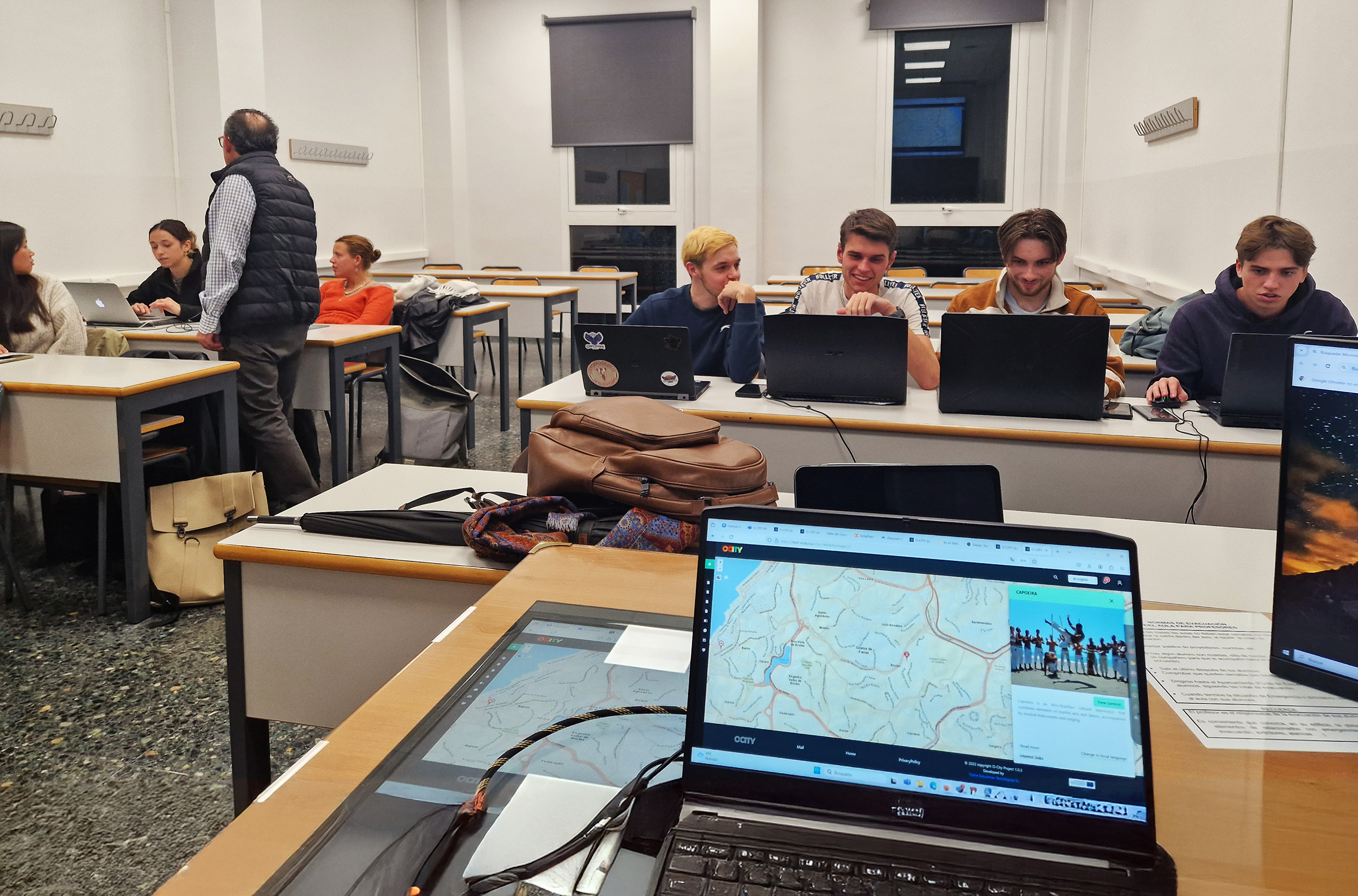
Since 2022, this programme has brought together students from 16 different countries in Gandia: Germany, Belgium, Brazil, Bulgaria, El Salvador, Slovakia, Greece, Guatemala, Ireland, Iran, Italy, Lithuania, the Netherlands, Turkey, Ukraine and, of course, Spain. This cultural mosaic has been formed under the umbrella of innovation, with a clear objective: to learn how to narrate, preserve and promote cultural and natural heritage using the tools of the present.
.
The training took place entirely at the UPV’s Gandia Campus, where students immersed themselves in the project methodology.
Guided by a team of experts consisting of Pepe Marín-Roig, Lola Ángel Carpio, Marta Asensi, Nacho Yusim, Pedro Monteros and Alexander Díaz, the students not only acquired theoretical knowledge, but also applied it in the creation of audiovisual pieces published on the O-CITY platform (www.o-city.org), the digital educational and collaborative tool developed on this same campus.
.
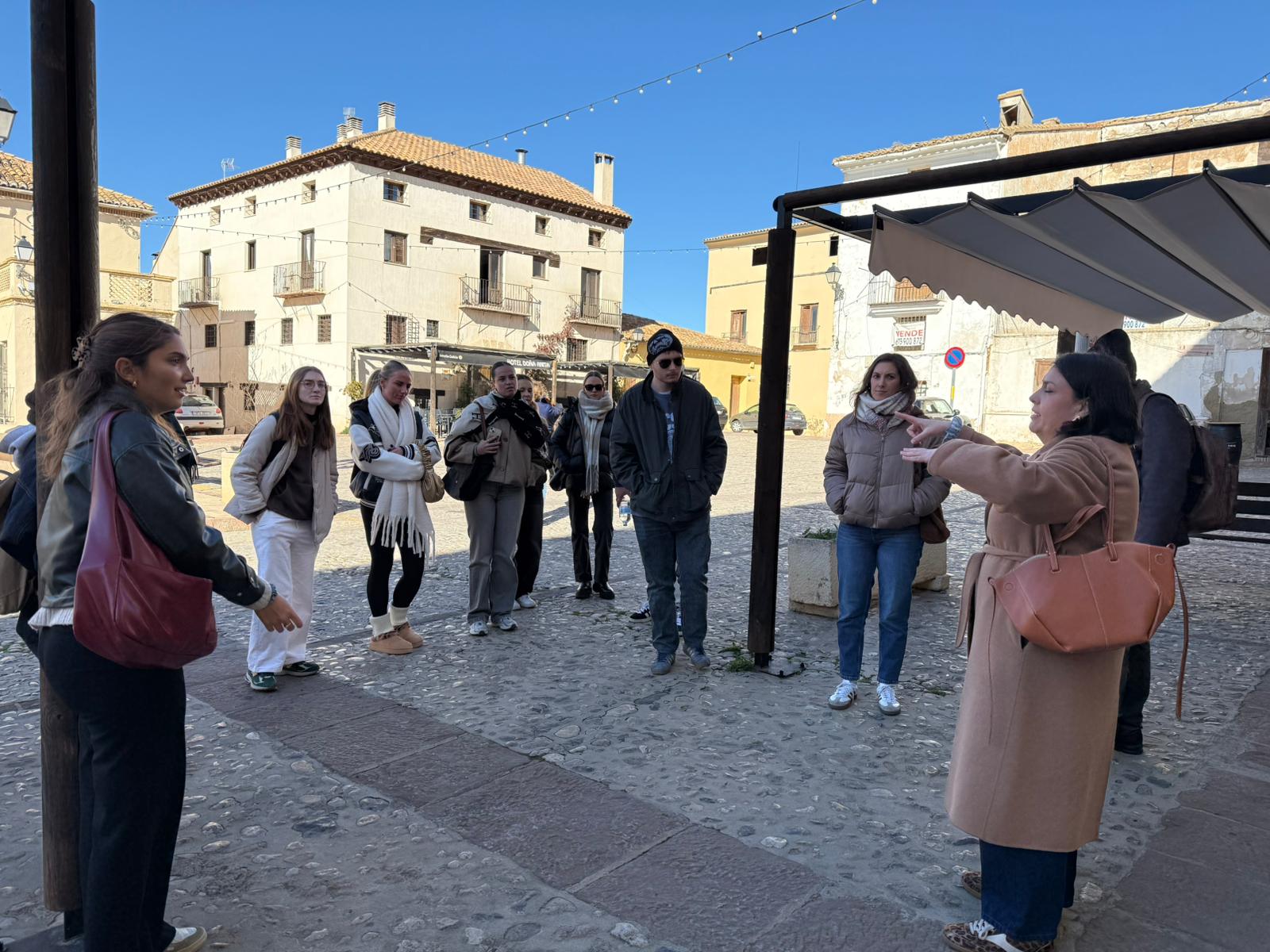
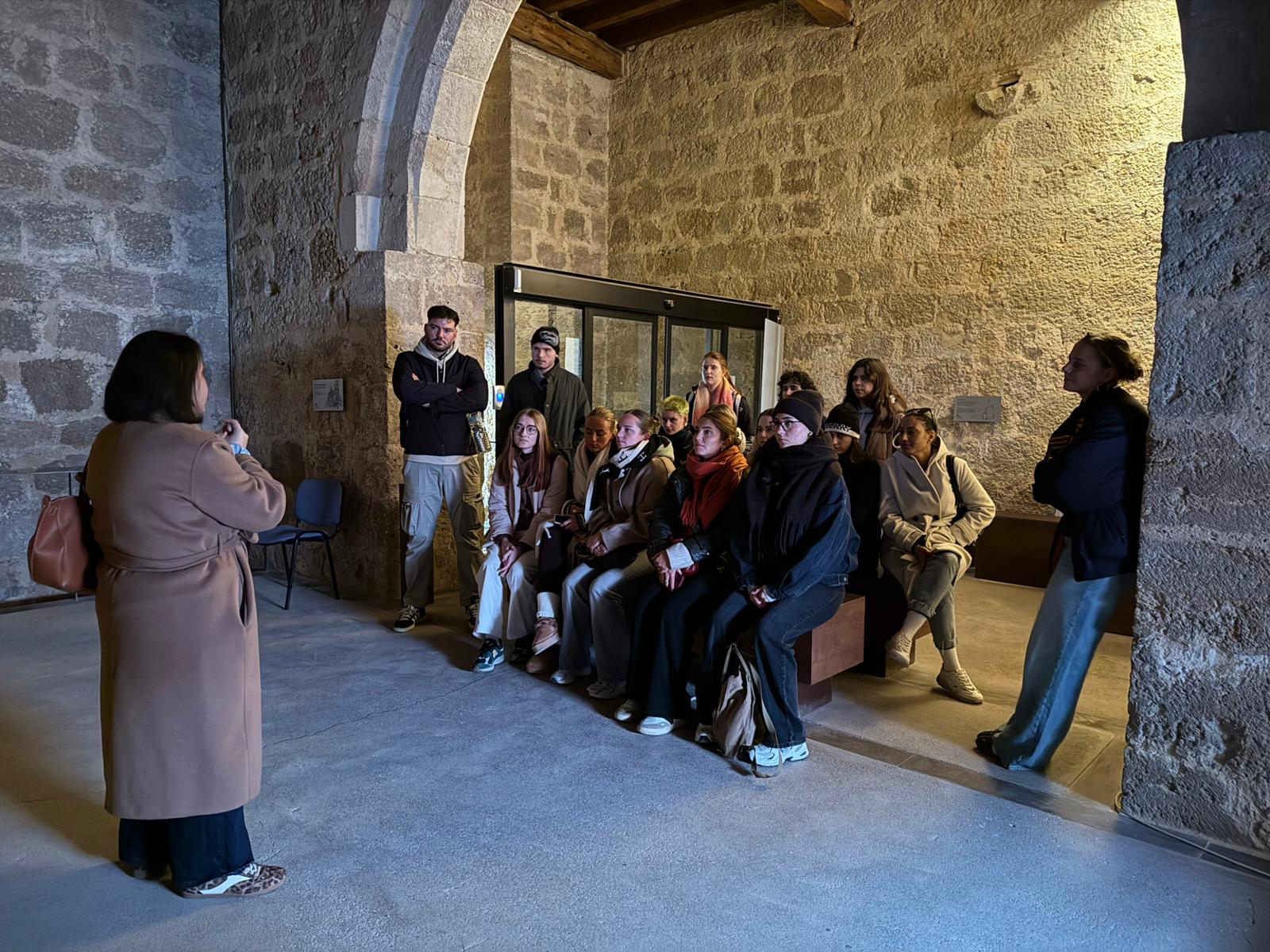
This practical project had two aspects. On the one hand, the young people turned their attention to their home towns, digitising and narrating their heritage from a new perspective. On the other, they explored and documented the rich legacy of Valencian towns such as Gandía, Oliva and Buñol. The result is a living digital archive, a collection of good practices in educational innovation that exemplify how technology can be used to protect and disseminate culture.
.
Key results also include the strengthening of digital skills — particularly in the production of content with the support of artificial intelligence, video creation and creative editing — along with improved intercultural communication and a deeper understanding of cultural diversity. Students report feeling highly motivated by the relevance of the project: their final productions are published on the public platform O CITY, giving them global visibility and positioning them as active members of an international cultural community.
.
.
.
Featured audiovisuals: a journey through world heritage
.
The quality and diversity of the projects carried out are a testament to the programme’s success. Among the most notable pieces published on O-CITY are:
.
-
-
‘Alexander Nevsky Cathedral in Sofia’ by Eva Markov (Bulgaria/Germany), which uses AI to bring the majesty of this Orthodox symbol back to life.
-
‘St. Pierre Church in Antakya’ by Karimdad Ahmadi (Iran/Turkey), a digital reconstruction of one of the world’s earliest Christian churches.
-
‘Gyeongbokgung Palace, Seoul’ by Yelyzaveta Somkina (Ukraine), a visual immersion in South Korea’s most iconic palace.
-
‘Mount Olympus’ by Maria Eleftheriadou (Greece), a journey to the mythical home of the Greek gods.
-
‘Río Medellín’ by Colombian students from UPB, a documentary with drone footage of the recovery of this river axis.
-
‘Jazz Festival (Breda)’ by Lieke Van Dijk (Netherlands), which portrays the largest and oldest jazz festival in Europe.
-
‘The Feira Medieval de Sortelha’ by Sarah Matos da Silva (Portugal), which brings the Middle Ages back to life in this picturesque Portuguese village.
-
‘The University of Wrocław’ by Laura Polinska (Poland), a tribute to one of the oldest and most prestigious universities in Central Europe.
-
‘The Cologne Carnival’ by Alexandr Muravev (Russia/Germany), an immersion in the ‘Fifth Season’, one of the largest street parties on the continent.
-
‘The Rammelsberg Mine in Goslar’ by Lena-Eylem Bozdogan (Germany), a tour of this UNESCO World Heritage Site, a symbol of Europe’s industrial roots.
.
The Erasmus+ O-CITY Project programme is a testament to how higher education acts as an agent of change. This model connects academic research with concrete action and citizen participation, training professionals capable of facing the challenges of the future. It demonstrates that, through international cooperation and the use of purposeful technological tools, it is possible to protect our cultural heritage and build bridges of understanding between communities.
.
The continuous evolution of O-CITY, driven by this constant flow of new perspectives and international talent, confirms that the best technology is that which is designed by and for people, with the aim of connecting our collective past with a more sustainable and digitally inclusive future.
.
#ErasmusPlus #EducationalInnovation #DigitalHeritage #UPV #UPVGandia #InternationalCooperation #DigitalTraining #Culture #Sustainability #OCITY #Gandia #Oliva #Buñol #Requena